Third Places
This project explored the scarcity of “third places” in the U.S., revealing that while people crave them, they’re hard to sustain and discover.
Project Overview
Client: Class Project
Timeline: 12 weeks
My Role: UI/UX Designer & Researcher
Slide Deck
Defining the Problem: Why Third Places Fail
Third places — cafés, libraries, parks, community centers — are the social glue between home and work. In the U.S., they're disappearing or hard to find, leaving people craving community connection they can't locate or sustain.
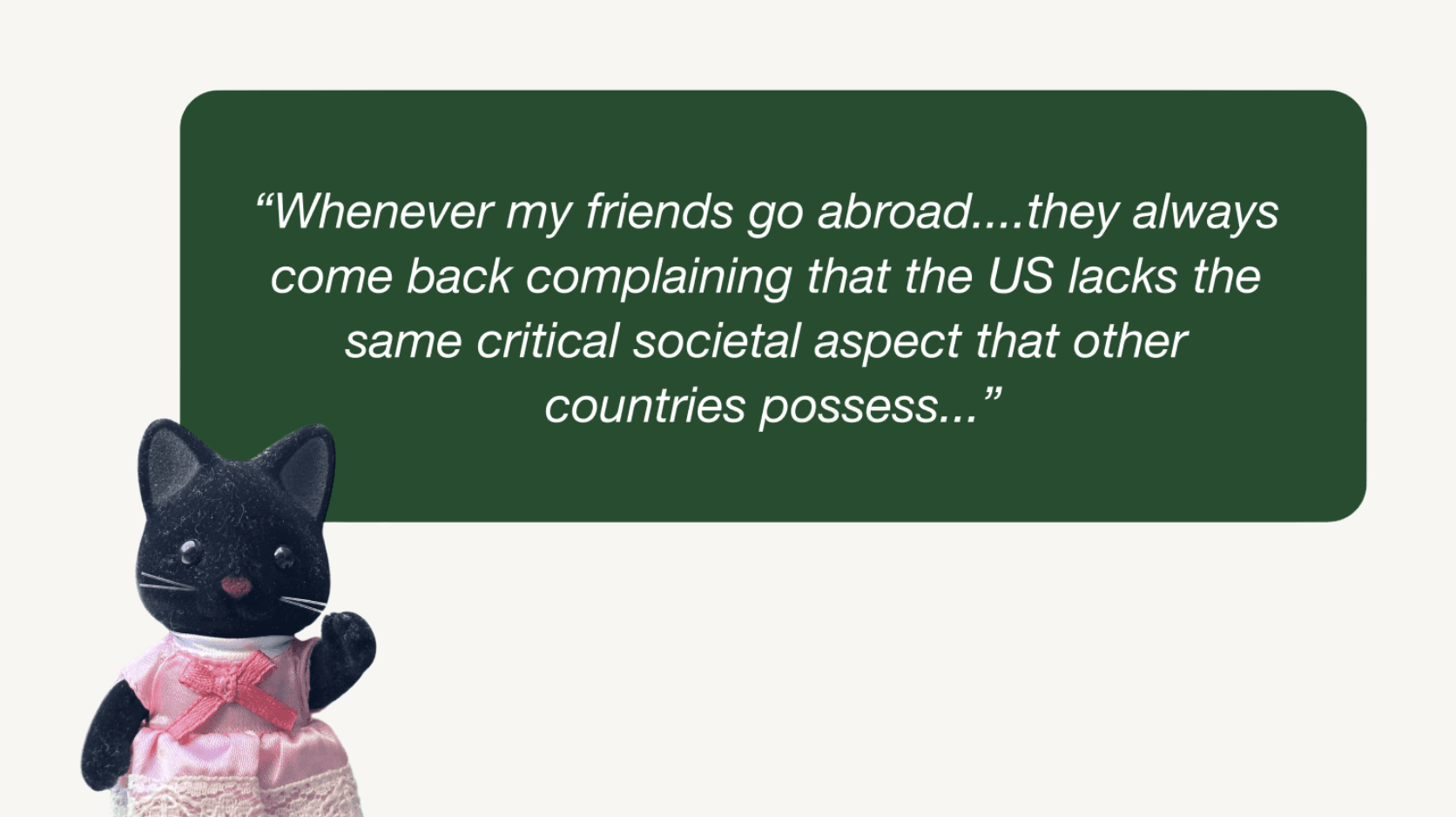
The main challenge of this project was to address the lack of "third places" in the U.S. While there's a strong cultural desire for these hubs, they can be difficult for people to discover, and their absence contributes to a cultural disparity when compared to other countries.
The project's goal was to tackle this multi-faceted problem by making these valuable spaces more accessible and sustainable.
How might we understand what makes third places sustainable?
The research process began with a deep dive into understanding the "third place dilemma" through a morphological grid and secondary research. This research helped them identify a strong user desire for curated, community-driven content and personalized recommendations.
The research helped identify a strong user desire for curated, community-driven content and personalized recommendations. To make the findings more tangible, a user persona was created that guided the problem definition and ideation.
From Insights to Solutions: Collaborative Ideation
We followed the Creative Problem Solving framework, and used tools like morphological grids, dot voting, and decision-making charts to refine our ideas collaboratively. All the ideas were objectively evaluated based on criteria like market potential and technical feasibility.
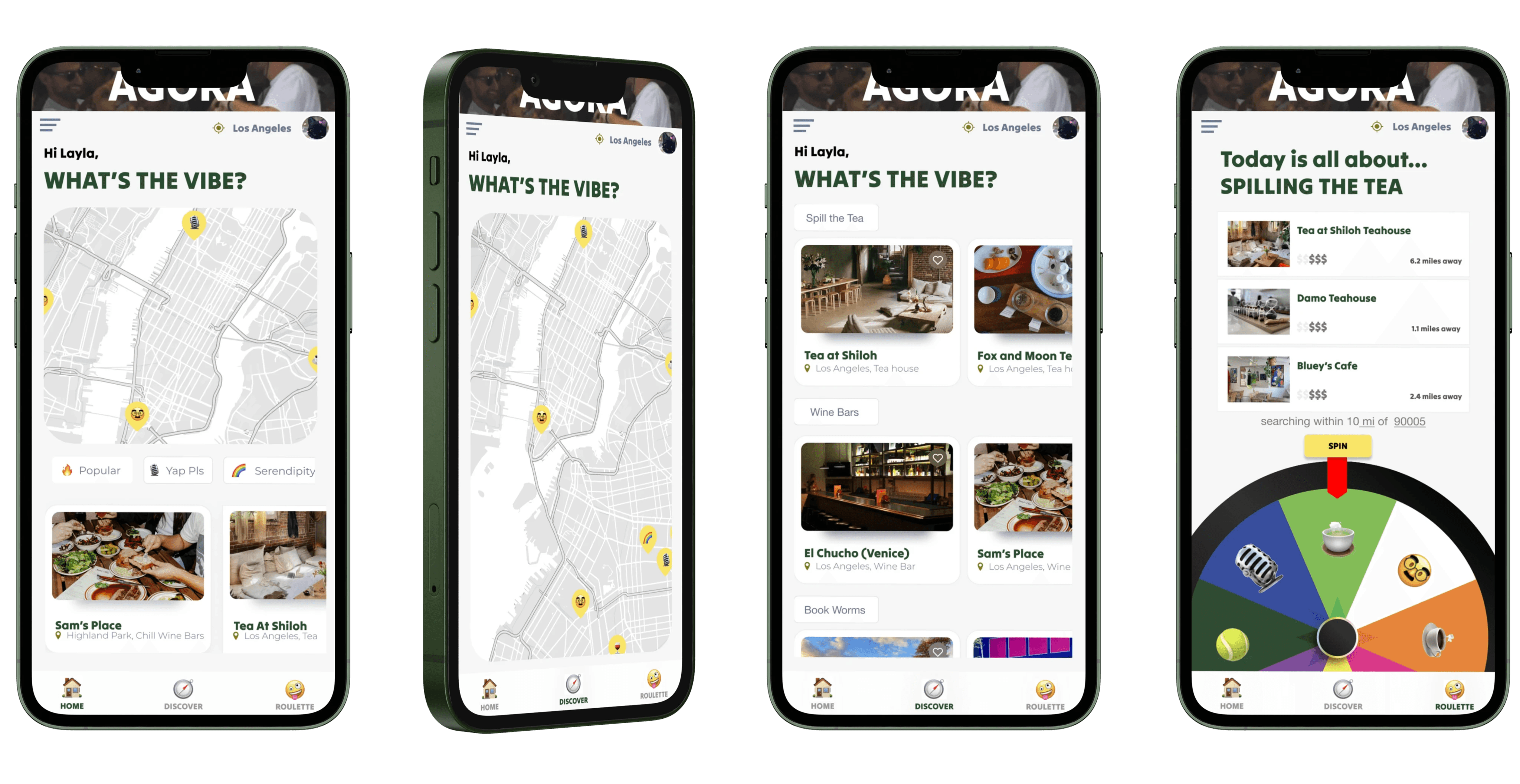
The final selected solution, Agora, was then brought to life in the implementation phase through high-fidelity digital wireframes in Figma and the prototyping of physical components to foster real-world connections.
The final solution is named Agora, a Greek word meaning "gathering place" or "assembly." The project's goal was to not only help people discover third places but also to encourage a culture of returning to
them as part of their routine. The solution has both a digital and a physical component.
Introducing Agora: Digital Discovery Meets Physical Connection
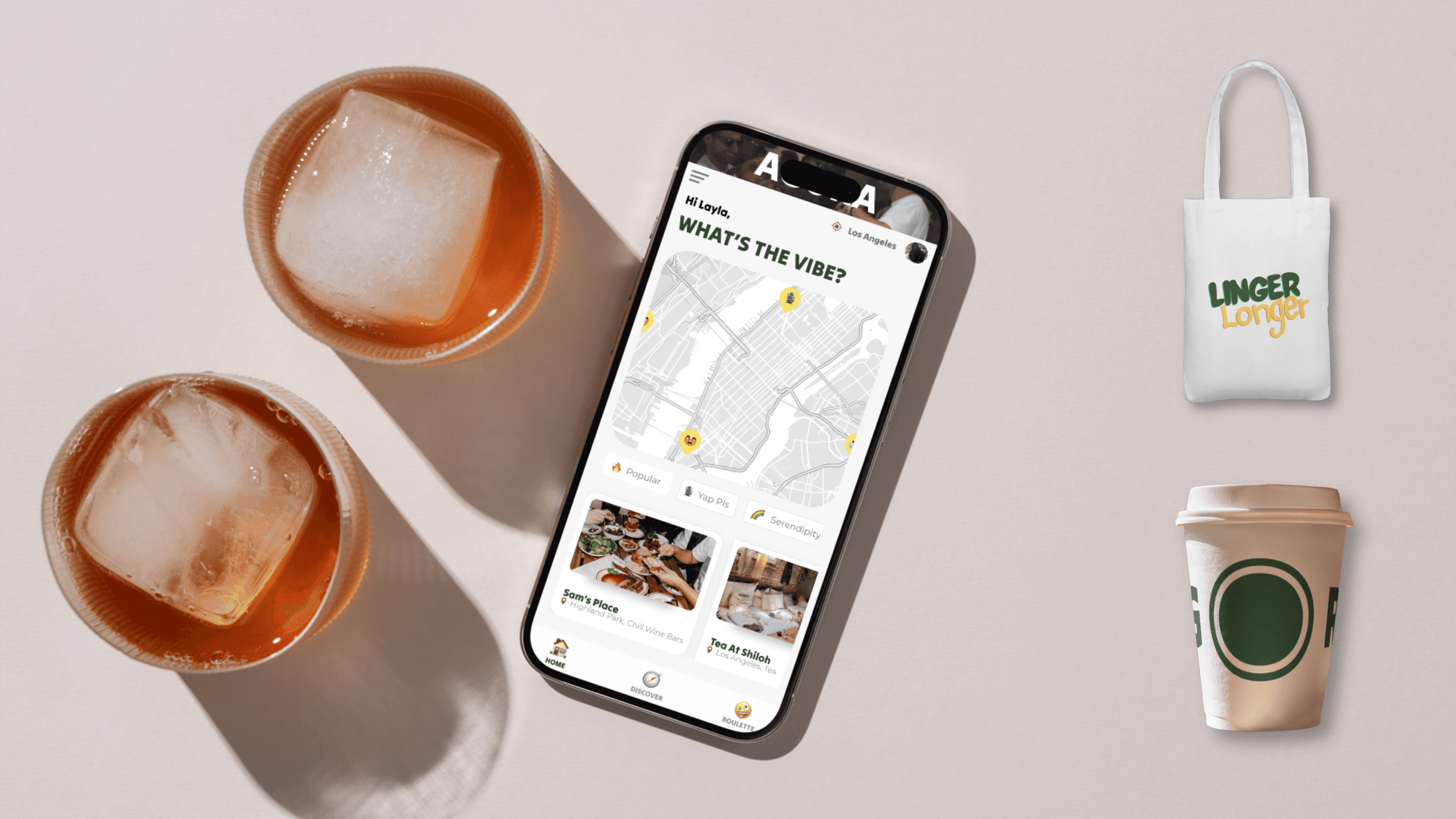
The digital platform is a mobile app with a home screen, a discovery page, and a roulette feature to encourage serendipity.
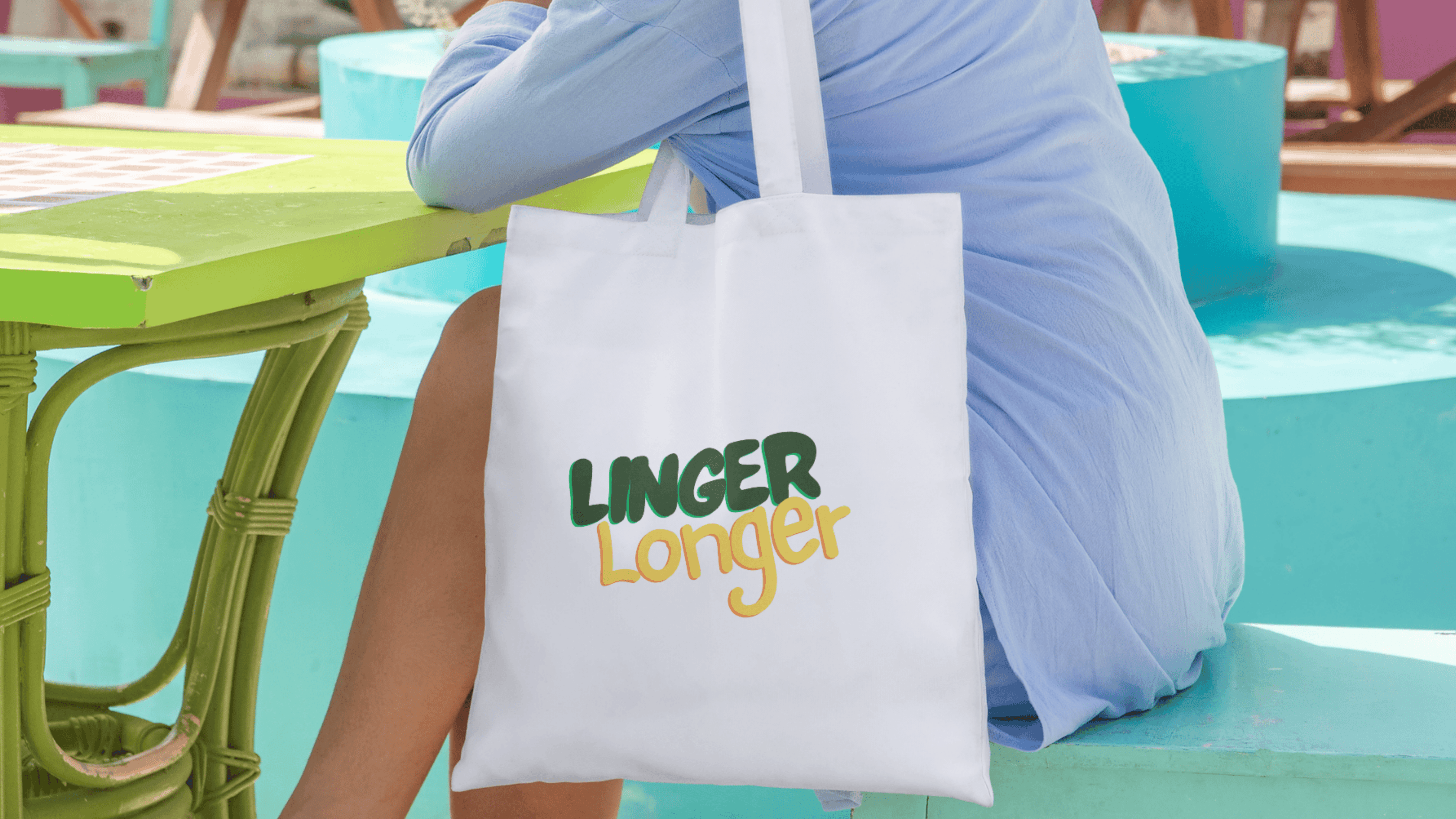
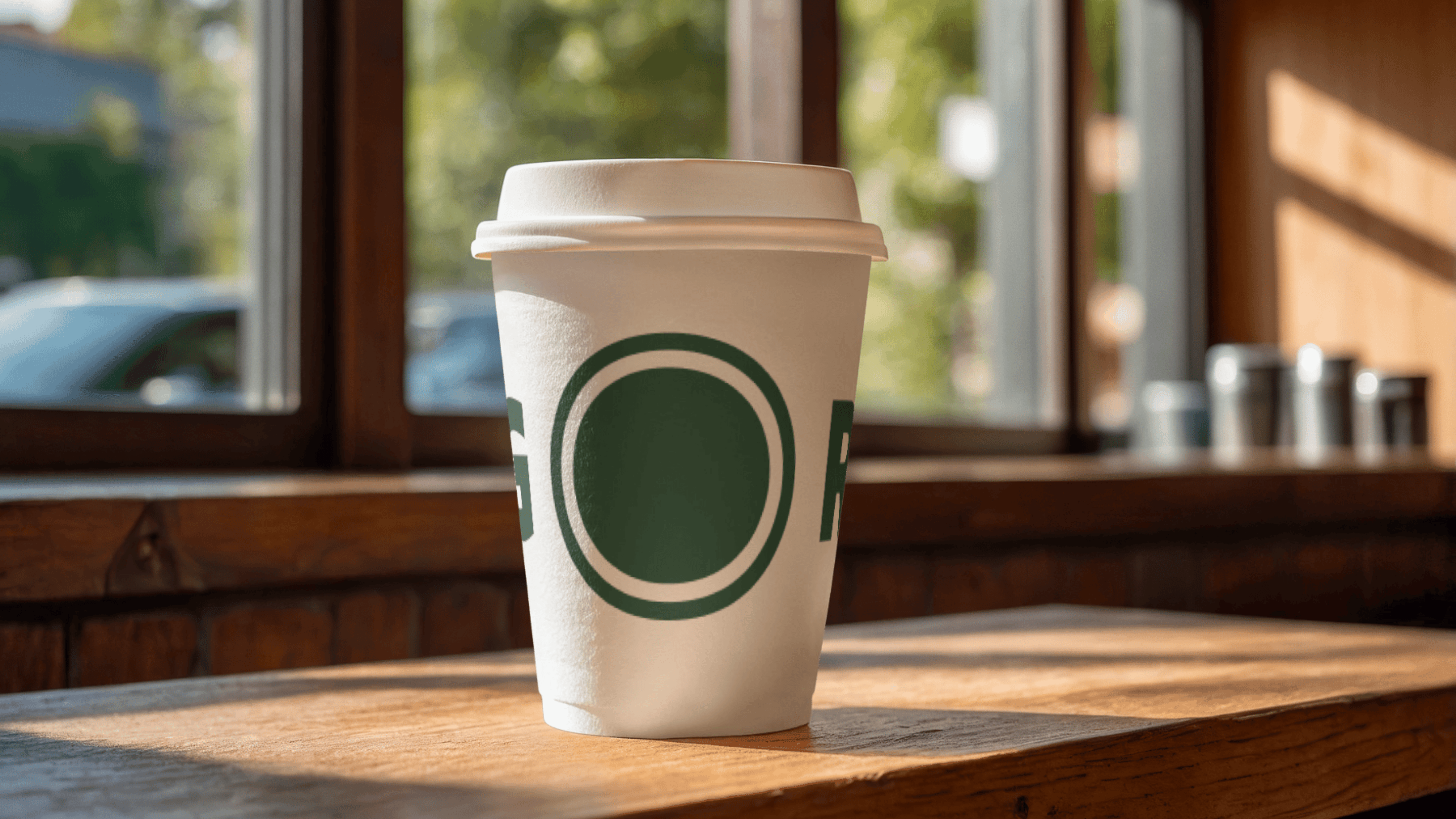
The physical component includes branded merchandise like tote bags and coffee cups to organically foster real-world interaction and community building.
Link to Figma Prototype